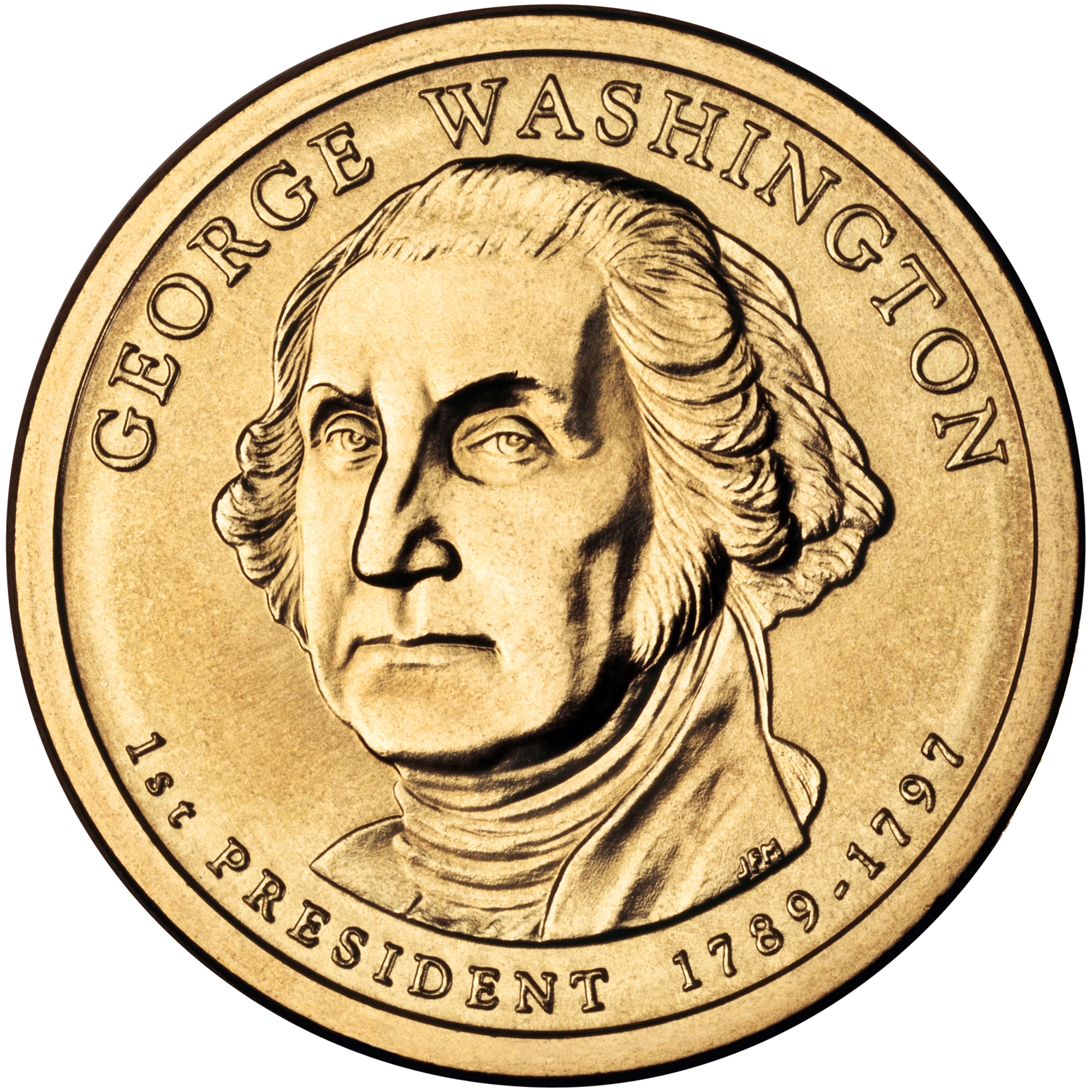
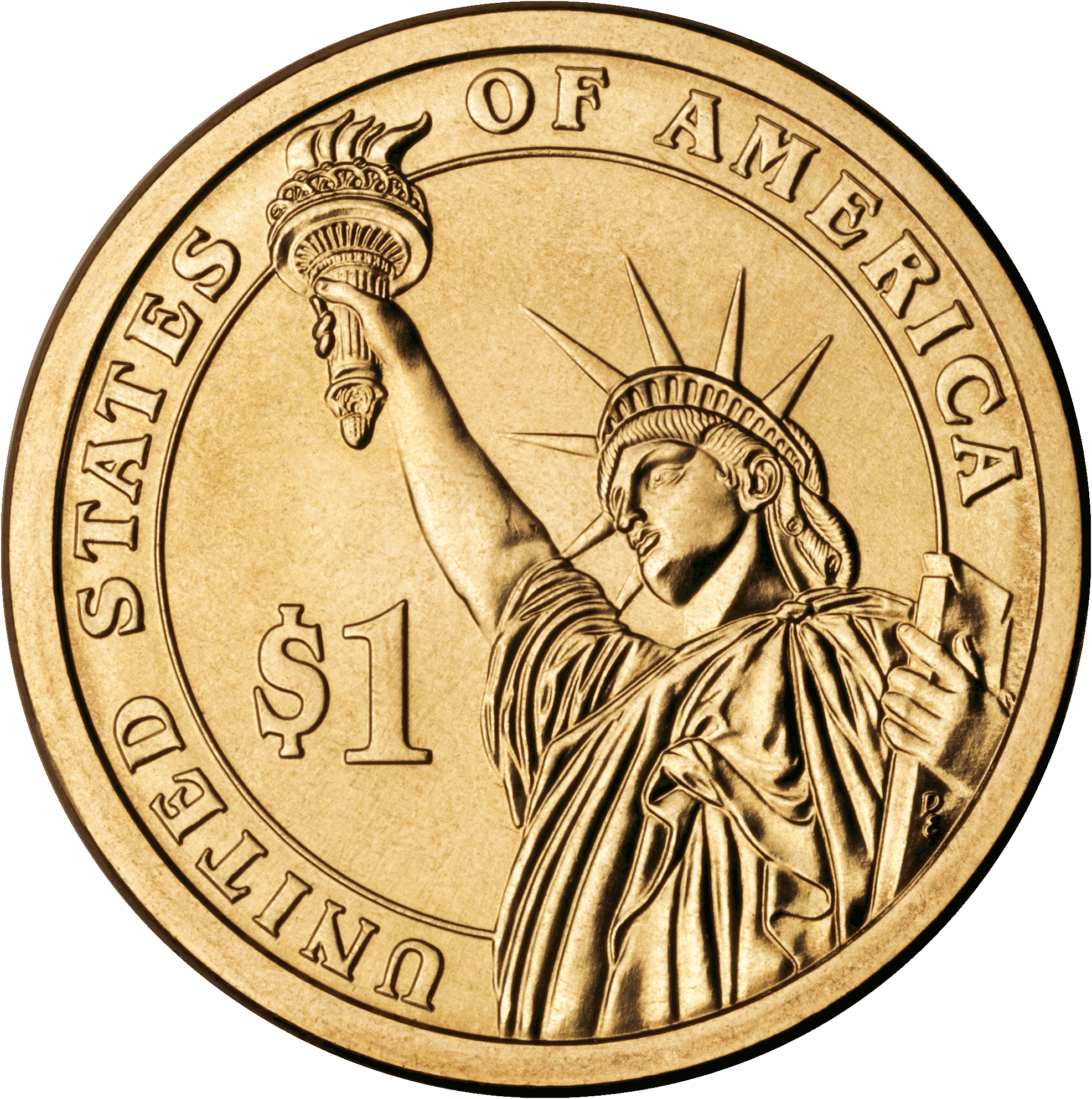
The coin that opened the Presidential dollar series
Washington’s coin began the Presidential $1 program in February 2007. The sequence followed the presidents’ order of service, making his portrait the natural starting point for a collection. Moving several inscriptions to the edge left more space for the portrait and the common Statue of Liberty reverse.
That design choice also created an unusual first encounter: a person looking only at the front and back could think the coin had no issue date or no IN GOD WE TRUST. Both belong on the edge of the normal 2007 coin. Reports of genuinely omitted edge inscriptions soon made the difference between “not on the face” and “not on the coin” particularly important.
For another early issue, the John Quincy Adams dollar guide identifies the sixth president’s 2008 coin. The portraits and presidency dates distinguish the issues; the shared Statue of Liberty does not.
Check the edge before calling it an error
1. Find the real date and mint mark
Hold the coin by its rim under a diffuse light and rotate it through a full turn. Record the year and mint letter wherever they appear. Their starting position relative to the portrait is not a useful rarity test. Do not clean or scrape the edge to improve visibility.
2. Separate direction from missing lettering
Regular Presidential dollars can have edge lettering oriented either way. The grading terms Position A and Position B describe orientation; they do not by themselves identify a mint error. A clear, complete inscription read upside down is still an inscription.
3. Examine a genuinely blank or incomplete edge
The American Numismatic Association documented Washington dollars with omitted edge lettering in 2007. On such coins, the missing operation affects the edge inscriptions rather than simply removing the motto from the portrait. Weak lettering, partial lettering and a completely missing inscription are different observations.
Check all the way around for faint letters and for filing, abrasion or other alteration. A photograph of one blank segment cannot establish that the entire edge is unlettered. Keep full-face photographs and overlapping edge views, and use the coin appraisal guide to prepare a suspected error for examination. The nickname “Godless dollar” is not itself an authentication.
What can justify more than face value?
Value checkpoints · reviewed October 16, 2026| Coin / version | Condition | Value basis | Premium driver | Comparison limit |
|---|
| Regular P / D | Ordinary circulated | $1 baseline | A separately identified collectible feature | The presidency dates are normal. |
|---|
| Regular P / D | Uncirculated | Same-mint, same-grade sales | Luster, clean surfaces and grade | Do not assume a top grade from shine. |
|---|
| P / D satin finish | Collector-set issue | Satin-finish comparisons | Correct finish attribution | Do not mix with regular-strike prices. |
|---|
| S Proof | Collector strike | Matching Proof sales | Grade and preserved contrast | A Proof is not made of gold. |
|---|
| Missing edge lettering | Authenticated error | Same error, finish and grade | Genuine omitted lettering operation | Upside-down lettering is not equivalent. |
|---|
No verified current collector-price range is established for these premium categories here. Use recent completed sales, not a seller’s asking price or a headline about a different grade. Certification, shipping and selling fees also matter when deciding whether a small premium is worth pursuing.
For a normal circulated example, keeping it as the first coin in a presidential collection is a different decision from paying for grading. If the surfaces appear unusually well preserved, the coin grading guide explains the terms you will encounter when comparing certified examples.


 App Store