A modern dollar with a nineteenth-century Mint connection
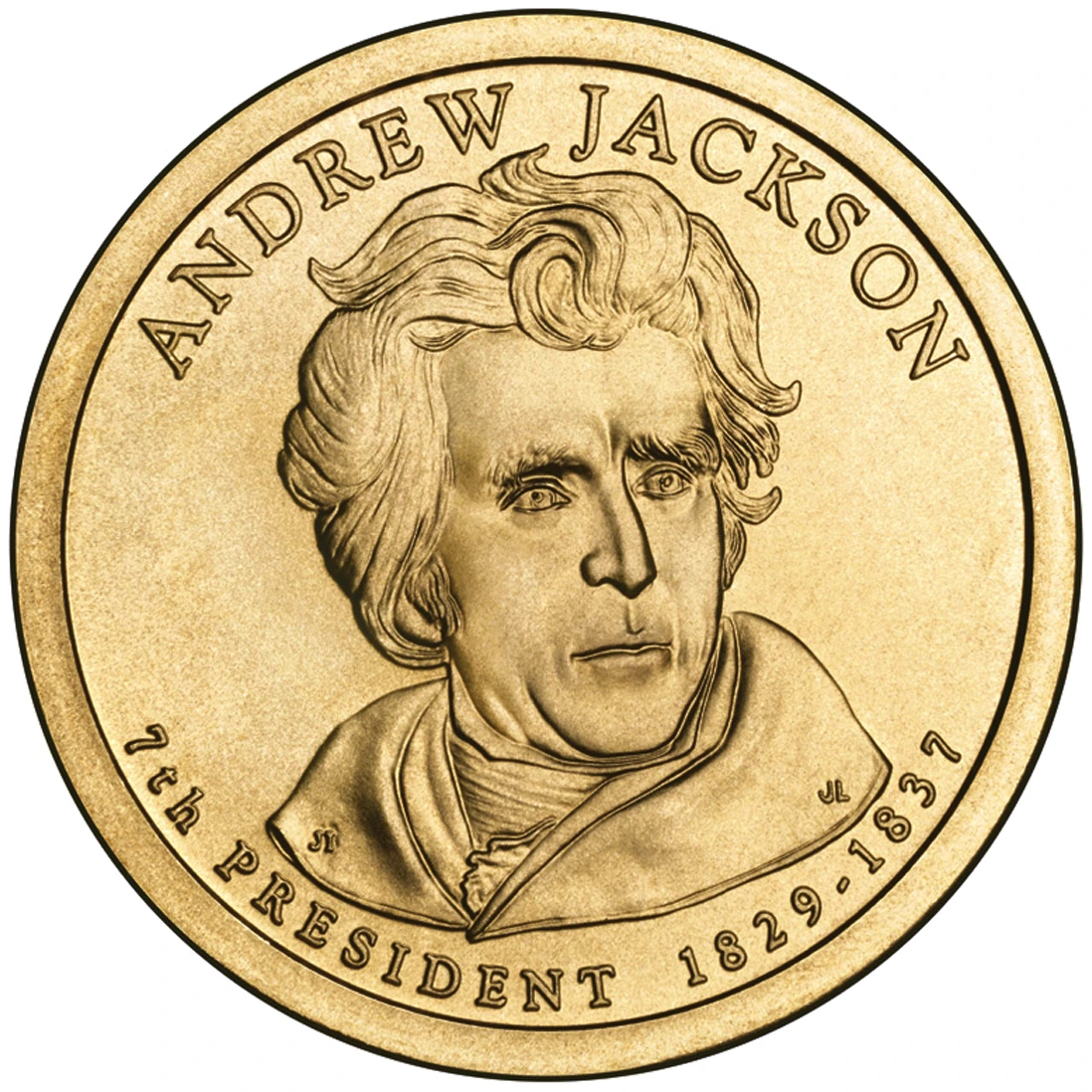
The Jackson dollar was released on August 14, 2008, with a ceremony at the Hermitage, his home near Nashville. It followed the John Quincy Adams dollar in the Presidential series. The 7TH PRESIDENT inscription helps place it in that sequence even when the edge date is difficult to see.
Jackson’s administration also had a direct connection to the Mint’s expansion. The 1835 law authorized branches at New Orleans, Charlotte and Dahlonega. New Orleans could coin gold and silver; Charlotte and Dahlonega were established for gold. These historical institutions are part of the coin’s background, not the mints that produced the 2008 dollar.
That distinction matters when reading letters. A D on this modern coin identifies Denver, not the nineteenth-century Dahlonega branch. The same letter can have a different meaning in a different coin series; identify the date and denomination first.
Dollar, gold coin or silver medal?
The $1 Presidential coin
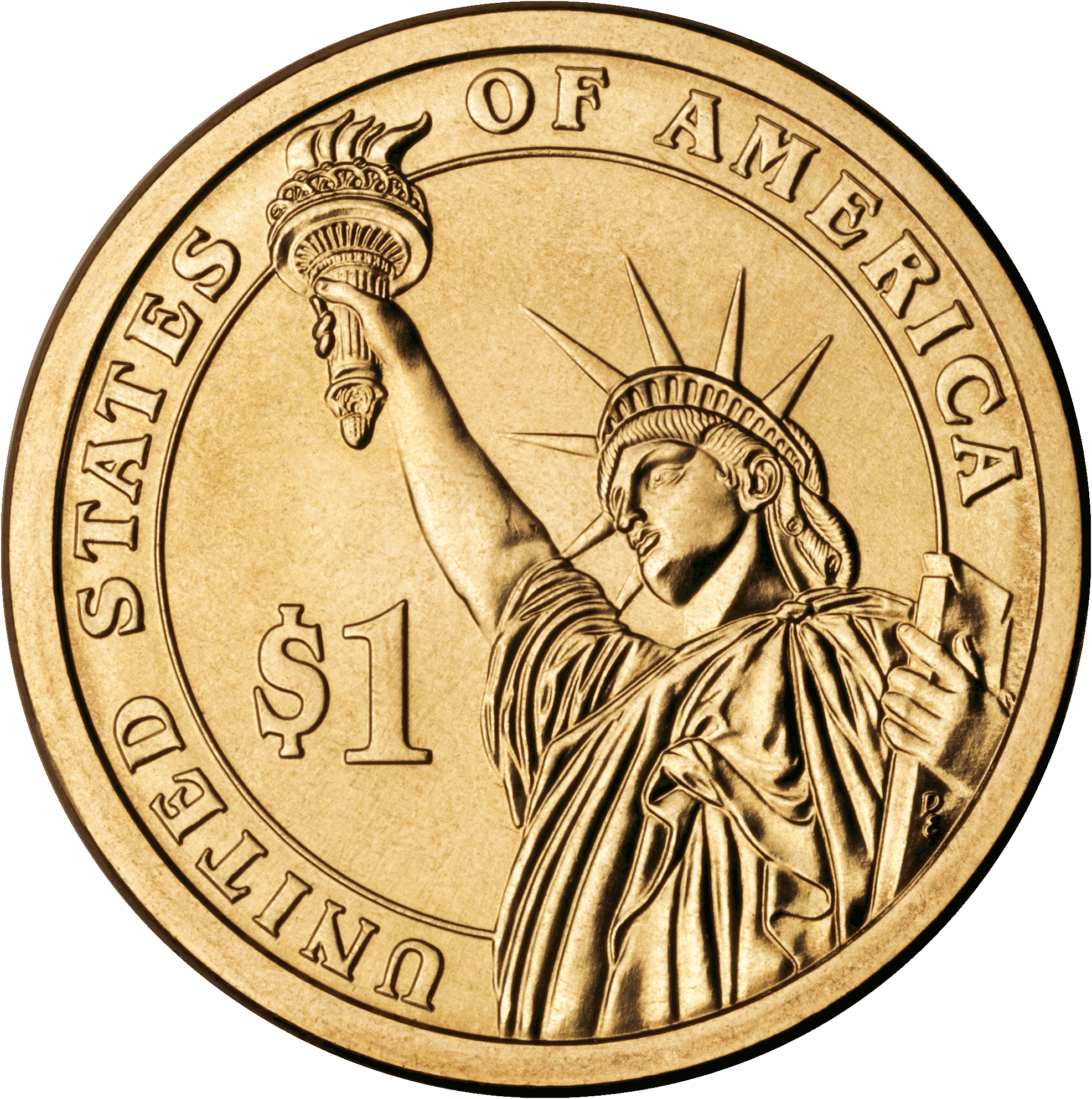
This is the small golden-colored coin pictured above. Regular P and D issues were made for circulation. Collector versions include satin-finish coins in the 2008 Uncirculated Coin Set and S Proofs. Confirm the original set or grading attribution instead of deciding the finish from brightness alone.
Jackson’s Liberty $10 gold coin
The First Spouse program used a historical Liberty design for presidents who served without a spouse. Rachel Jackson died before Andrew Jackson took office, so the associated 2008 gold coin depicts a Capped Bust Liberty design from his era. It is a separate $10 denomination, not a gold version of the portrait dollar.
Andrew Jackson Presidential silver medal
The Mint also offers a silver medal with a different portrait and inscriptions, including A.D. 1829. A presidential medal is not the 2008 $1 circulation coin. Compare its actual product name and specifications before treating a silver-medal listing as evidence of a dollar’s value.
A practical sorting rule is to read the denomination before the portrait. The same person can appear on a dollar coin, a banknote and a medal without those objects sharing a metal, issue date or price. The Sacagawea dollar guide covers another golden-colored dollar whose appearance is sometimes mistaken for gold.
Value by version and preservation
Value checkpoints · reviewed October 16, 2026| Coin / version | Condition | Value basis | Premium driver | Comparison limit |
|---|
| 2008 P / D regular | Ordinary circulated | $1 baseline | A separately verified collectible feature | 1829–1837 is not an early issue date. |
|---|
| 2008 P / D regular | Uncirculated | Matching completed sales | Surface quality and established grade | Compare the same mint and attribution. |
|---|
| 2008 P / D satin | Collector-set coin | Satin-finish sales | Original finish and preservation | Do not mix with circulation strikes. |
|---|
| 2008-S Proof | Collector strike | Same-grade Proof sales | Intact reflective surfaces and contrast | Proof does not imply gold or silver. |
|---|
These premium rows do not assert a verified current dollar range. A set price includes multiple coins, while an individual certified coin may include a grade premium that a raw example does not have. Compare the same object and record the sale date before using the result.
“First Day of Issue” on a holder describes an attribution or submission category; it does not change the coin’s denomination or metal. A very high asking price is also not evidence that buyers paid it. For grade terms, use the grading guide rather than assuming that a reflective surface is a flawless coin.
What to check on your own coin
Match the complete inscription
Start with ANDREW JACKSON, 7TH PRESIDENT and the Statue of Liberty reverse. Then read the edge year and mint. A mismatch should lead to closer identification, not an immediate claim that the coin is rare.
Keep possible errors separate from wear
If the edge seems blank, look for faint inscriptions around the whole circumference. A missed production step is different from letters flattened by damage or removed by alteration. The Washington dollar edge-lettering guide explains the distinction without treating normal lettering direction as an error.
Preserve useful evidence
Keep any original set packaging, photograph both sides and the edge, and leave the coin unpolished. If a potentially valuable feature remains, the appraisal guide explains how to document it. A normal worn example does not need a rare-error story to fill a place in a presidential collection.


 App Store