

 App Store

COIN VALUE GUIDES · LINCOLN WHEAT CENTS
1943 Copper Penny: Authenticity Checks and Verified Value
Separate a genuine bronze mint error from copper-plated steel and altered dates. Learn what magnet, weight and auction evidence can actually establish.
 HeriBase TeamPublished
 In this article
Is a copper-colored 1943 penny valuable?
A genuine 1943 copper-alloy—or bronze—penny is a rare wrong-metal mint error. A copper-colored 1943 penny is not automatically that error: plated steel cents, altered dates and counterfeits must be ruled out first.
Genuine bronze examples can bring six-figure prices. Heritage reported $372,000 for a PCGS Mint State 62 Brown (MS62 BN) Philadelphia specimen on February 23, 2021. That is a historical auction result for one authenticated coin, not a quote for an unverified find.
A bronze candidate should be nonmagnetic and weigh roughly 3.11 g, but passing those checks does not prove authenticity. Preserve it and obtain expert examination before selling, buying or assigning a rare-error price. Ordinary magnetic coins belong in the 1943 steel penny guide.
What an authenticated bronze example looks like
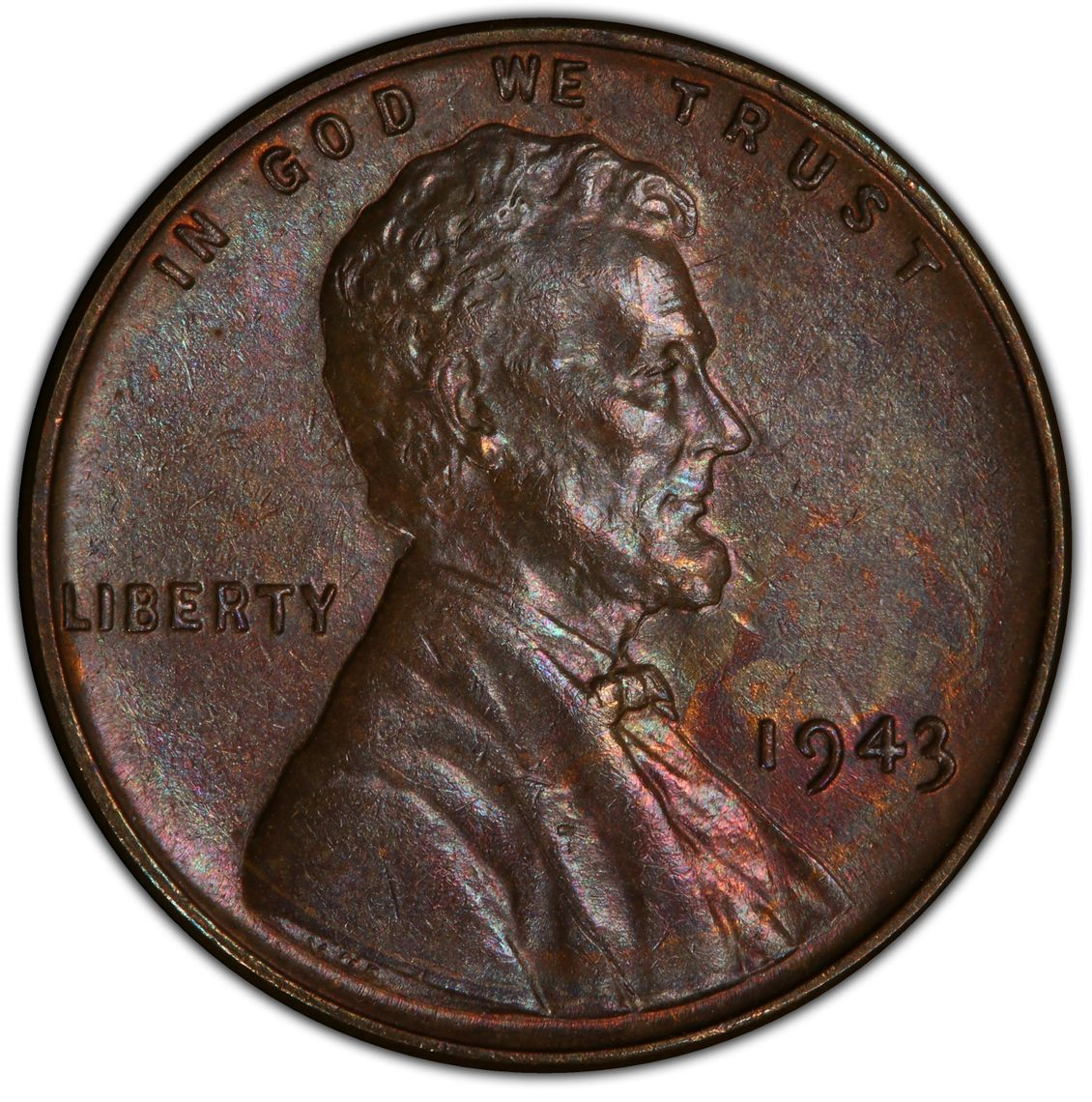
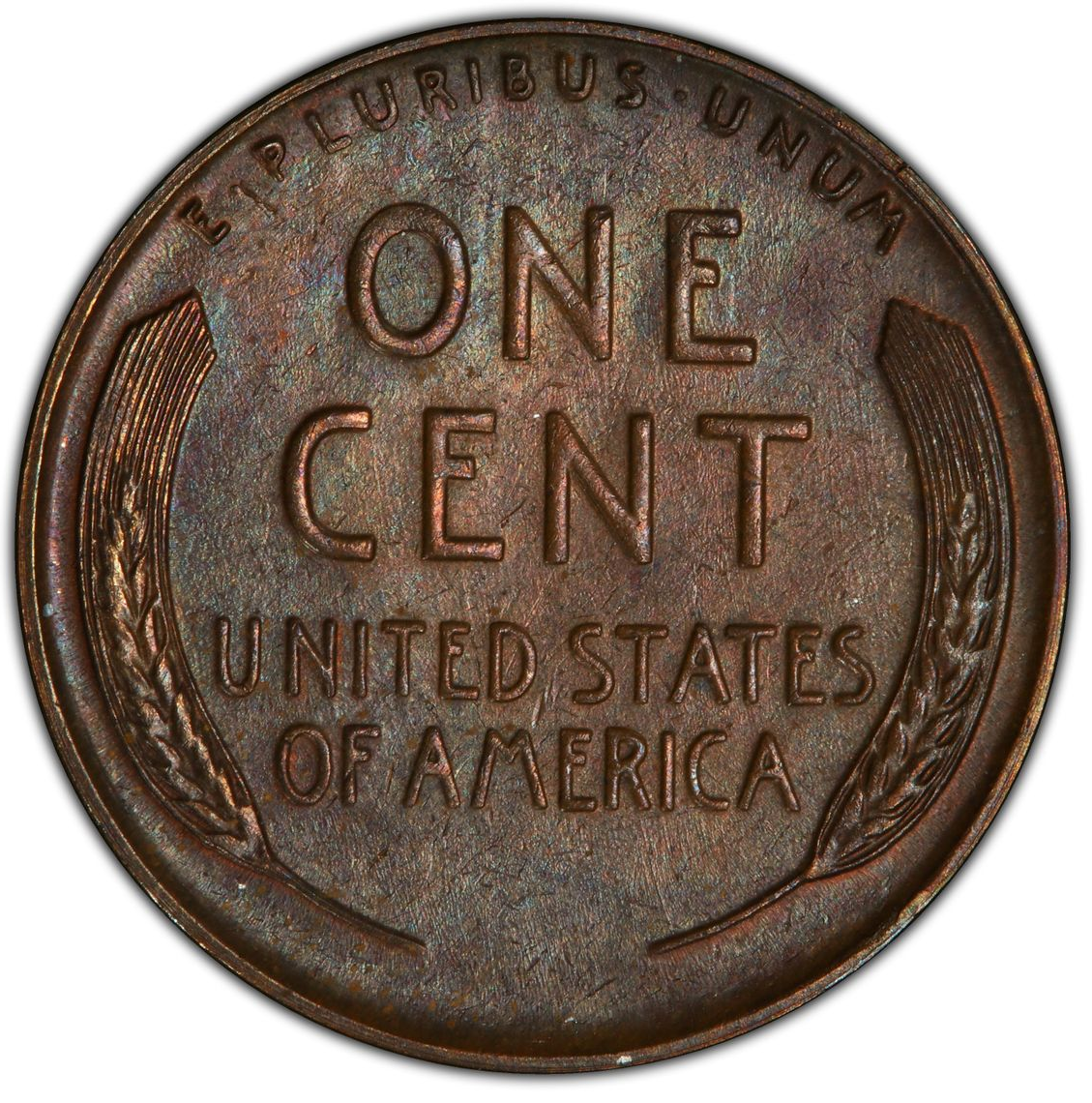
This no-mint-mark example shows the correct year and wheat reverse. Its brown color is not a diagnostic by itself, and it is not presented as the specific auction coin discussed below.
Why a bronze cent exists in a steel-cent year
| Feature | Identification context |
|---|---|
| Denomination | United States one cent |
| Standard 1943 metal | Zinc-coated steel |
| Bronze error | Copper-alloy planchet used with 1943 dies |
| Nominal bronze weight | About 3.11 g |
| Design | Lincoln portrait and wheat-ear reverse |
| Status | Authentication required; not an ordinary copper issue |
The wartime need for copper changed cent production in 1943. Steel became the standard, yet a small number of coins were struck on bronze blanks. The Mint’s historical explanation points to leftover copper-alloy blanks entering the new production run. This is a mistake in the material struck, rather than a special copper edition released for collectors.
NGC authenticated the Don Lutes, Jr. discovery specimen as AU53 Brown in 2018. Its documented identity helps distinguish a known rarity from an attractive online claim: a real coin has a traceable attribution and examination history. The existence of genuine finds does not make every brown 1943 cent a new one.
For the surrounding series and date-and-mint organization, see the Lincoln wheat penny overview. The common steel issue has its own price and surface questions, covered separately in the steel guide.
What home checks can—and cannot—tell you
A magnet can rule out bronze
Bring a magnet close without dragging it across the coin. Strong attraction indicates a ferrous core and rules out the normal bronze alloy. A copper coating does not remove the magnetism of a steel cent. Lack of attraction only keeps the candidate in consideration; altered copper cents and some counterfeits also fail to stick.
Correct weight is supporting evidence
Weigh the bare coin on a calibrated scale reading to 0.01 g. Compare the result with the nominal bronze specification. Do not assume an exact match proves anything: a 2025 NGC counterfeit study published by the American Numismatic Association described a fake weighing the expected 3.11 g. Testing found pure copper rather than the expected alloy.
Read the entire date and inspect the surrounding surface
Examine the 3, neighboring numerals, lettering and fields under even light. Modified dates and unusual surface texture deserve attention. The same NGC study found inconsistent lettering thickness and rough surfaces on its counterfeit. A worn digit or a dark photograph should not be treated as proof either way; take clearer images before reaching a conclusion.
Keep the evidence intact
Photograph both sides, the date and the edge; record weight and magnet response. Do not polish, scratch, file or chemically test the piece. If it is already in a certified holder, verify the certification record and compare the photographed coin—not only the number. Use the appraisal guide to prepare an authentication request. An app match or online opinion cannot replace examination of the object.
1943 copper penny value: authenticated coins and sold evidence
| Coin or claim | Condition | Evidence | Value context | What it means |
|---|---|---|---|---|
| Copper-colored steel cent | Any | Magnetic core | No bronze-error premium | Color alone is not the error |
| Unverified nonmagnetic candidate | Unknown | Home checks only | No reliable appraisal yet | Authentication comes first |
| Philadelphia bronze specimen | PCGS MS62 BN; CAC | Heritage auction 1327, lot 3008 | Reported total $372,000 | Sold February 23, 2021 |
| Another authenticated bronze cent | Its own grade and surfaces | Verified attribution and comparable sales | Individual valuation | Do not copy one record price |
Heritage’s lot page reports a 20% buyer’s premium. Its $372,000 realized total is not the seller’s net proceeds. It also identifies the coin’s earlier provenance; the grade and documented identity are part of the comparison. Prices can differ substantially across mint, condition, surface problems and ownership history.
No fixed current price is assigned here to every bronze cent. A scarce error can have too few closely comparable sales for a neat price ladder. For an authenticated example, review the actual lot descriptions and dates, not just a search-result headline. For grading terms, use the coin grading guide.
If an ordinary copper cent has had its date changed, it does not inherit the value of a genuine 1943 bronze error. Likewise, a damaged or replated steel coin should be compared within its actual category. That distinction should be settled before discussing a sale.
The key takeaway
A genuine 1943 bronze penny can be extremely valuable, but copper color, nonmagnetic behavior and an expected weight are only screening clues. Authentication is the decisive step.
Preserve the coin, document both sides and the date, and have a credible specialist examine a plausible candidate. Use confirmed provenance and comparable sales only after its identity is established.
Frequently asked questions
Will a genuine 1943 copper penny stick to a magnet?
The normal bronze alloy is nonmagnetic. Strong attraction rules it out, but a nonmagnetic result does not prove authenticity because altered-date copper cents and some counterfeits also pass that check.
Does a 3.11 g weight prove a 1943 penny is genuine?
No. That is the nominal bronze weight, but a documented counterfeit also weighed 3.11 g. Alloy, die details, surfaces and the date require further examination.
How much is a genuine 1943 copper wheat penny worth?
Value depends on authentication, mint and grade. Heritage reported $372,000 for a Philadelphia 1943 bronze cent graded PCGS MS62 Brown with CAC approval, lot 3008 in auction 1327, sold February 23, 2021. That historical result is not a universal current price. A copper-colored steel cent or altered date must not be valued as this bronze error; compare ordinary coins in the 1943 steel penny guide.
Should I clean a suspected 1943 copper penny before appraisal?
No. Keep its surfaces intact. Provide clear photographs, its measured weight, magnet response and any ownership or certification records for the examiner.
References
SourcesOpen references
- U.S. Mint: wartime composition, alterations and magnet screening, March 8, 1999
- PCGS: Philadelphia bronze-cent specifications
- NGC: Don Lutes discovery specimen, August 13, 2018
- American Numismatic Association / NGC: a correct-weight counterfeit, April 4, 2025
- Heritage: lot 3008, February 23, 2021; realized price and premium terms